


🐾 Do Golden Retrievers Have Separation Anxiety?(Why They Struggle Alone & How to Fix It Properly)
- Nick Vaughan-Smith
- Apr 28
- 5 min read

Updated: 5 days ago
🚨 Quick Answer
Do Golden Retrievers have separation anxiety?
👉 Yes — Golden Retrievers are highly prone to separation anxiety because they are deeply social, strongly bonded to people, and sensitive to routine and absence.
Without structure, this can lead to:
barking or whining
destructive behaviour
pacing or restlessness
inability to settle when alone
👉 Start here if you want to understand Golden Retrievers properly:→ COMPLETE GOLDEN RETRIEVER GUIDE (HUB) — behaviour, routines, and real ownership expectations
Loyal. Connected. Always close. Doggy Styles Inc creates minimalist Golden Retriever pieces inspired by real behaviour owners actually live with.👉 Shop Golden Retriever tote bags, t-shirts sweatshirts and hoodies → explore the full collection
❗ Most People Get This Completely Wrong
The assumption:
👉 “They just miss me”
That sounds harmless.
But it’s not accurate.
👉Separation anxiety isn’t about affection.
It’s about dependency without control.
👉Separation anxiety isn’t created when you leave.
It’s created in the hundreds of small interactions before that moment.
That’s the part most owners never see.
🧠 What Owners Actually Experience (And Miss)
It doesn’t start dramatically.
It builds quietly.
You leave a room.
They follow.
You go upstairs.
They come too.
You sit down.
They position themselves close.
👉 It feels like loyalty
But in real households, this pattern shows up the same way again and again:
following becomes constant
independence disappears
exits start triggering tension
👉 It’s predictable — which is exactly why it’s fixable
And then one day:
👉 they don’t cope alone
Understanding the Golden Retriever personality will help you decide if theyre the right dog for your household in Are Golden Retrievers the Perfect Family Dog?
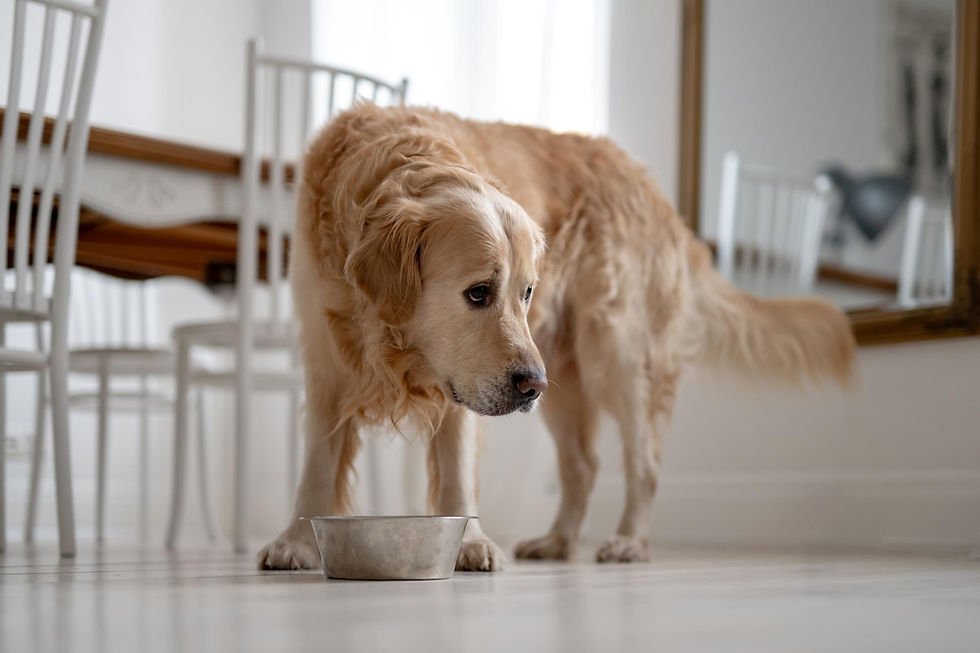
🧠 The Part Most Owners Don’t Realise
Separation anxiety doesn’t start when you leave.
👉 It starts when you’re there
It builds through:
constant proximity
constant interaction
lack of independent time
👉Most owners reward closeness all day…
Then expect independence when they leave.
👉 That mismatch creates anxiety
🧠 What’s Actually Driving This Behaviour
🧬 Social Wiring
Golden Retrievers are:
deeply social
highly bonded
constantly aware of people
👉 Being near you feels normal
👉 Being away feels wrong
🧠 Routine Dependence
Dogs don’t just learn people.
👉 They learn patterns
when you leave
what signals it
how long you’re gone
👉 This creates anticipation
🧠 Emotional Reinforcement
presence = safety
interaction = reward
👉 absence = uncertainty
👉 From a behavioural standpoint, separation anxiety in retrievers is one of the most consistently mismanaged patterns — not because it’s complex, but because it’s reinforced unintentionally.
👉 This behaviour doesn’t exist in isolation.It connects directly to excitement and impulse patterns.
🎬 MICRO MOMENT — “The Pre-Exit Signal”
You pick up keys.
Your dog:
looks up
body tightens
follows closer
👉 Nothing has happened yet
👉 But the reaction has already started
👉 This is where anxiety begins
🎬 MICRO MOMENT — “The Accidental Reinforcement”
You leave.
Dog whines.
You come back.
“Just to calm them.”
They settle.
👉 From your perspective:
You helped them
👉 From the dog’s perspective:
Whining brought you back
👉 That’s the moment separation anxiety locks in
🔁 The Separation Behaviour Loop
Signal → anxiety → behaviour → owner response → reinforcement
Examples:
whining → you return
pacing → you comfort
following → you allow
👉 From the dog’s perspective:
“This keeps me safe.”
🎬 MICRO MOMENT — “The Door Pause”
You leave.
There’s silence.
Then:
pacing
scanning
stress builds
👉 This is the moment most owners never see
👉 But it’s where the behaviour lives
📊 Is This Separation Anxiety or Something Else?
👉 Quiet but destructive→ anxiety
👉 Loud but settles quickly→ frustration
👉 Only reacts at specific moments (keys, shoes)→ routine-triggered anxiety
👉 Treating the wrong problem is why most fixes fail
🧠 Why It Gets Worse Over Time
Golden Retrievers don’t just feel anxiety.
👉 They anticipate it
They learn:
your routines
your timing
your patterns
👉 Which means anxiety starts before you leave
⚖️ Golden Retriever vs Other Breeds (Separation Profile)
Golden Retriever → emotionally dependent, reassurance-driven
Labrador → more distraction-based coping
French Bulldog → less persistent attachment patterns
👉 Golden Retrievers don’t just react to being alone
👉 They react to the loss of connection
👉 That’s why simple fixes like “leave toys” often fail
⚠️ What This Leads To (If Ignored)
destructive behaviour
excessive barking
stress escalation
long-term anxiety patterns
👉 Most owners only recognise this when it becomes severe

🧠 Why This Is Part of a Bigger Behaviour System
Separation anxiety rarely exists alone.
Dogs that struggle here often also:
get overexcited quickly
struggle with impulse control
react strongly to food or movement
👉 That’s not coincidence
👉 It’s the same underlying pattern
🎬 MICRO MOMENT — “The Return Explosion”
You come home.
Dog:
jumping
spinning
intense reaction
👉 That moment matters
👉 Because it reinforces the entire cycle
❗ Most Training Advice Gets This Wrong
Most advice says:
👉 ignore the dog👉 leave toys👉 tire them out
But that misses the point.
👉 The problem isn’t boredom
👉 It’s dependency
🛠️ What Actually Works
build independence while you’re home
reduce constant following
desensitise exit signals
reward calm alone time
stay consistent
This is also why their personality feels so strong in real life.
🎬 MICRO MOMENT — “The Shift”
Same house.
Same dog.
Now:
less following
calmer exits
quieter returns
👉 Not no attachment
👉 Controlled attachment
🧠 Quick Summary: Separation Anxiety in Golden Retrievers
strong social dependency
routine-based anticipation
reinforced closeness
lack of independence training
emotional sensitivity
🛍️ Golden Retriever Lifestyle
If you’ve lived this, you recognise it — the following, the waiting, the reaction when you return.
That’s the personality behind our Golden Retriever pieces — real behaviour, not just image.
👉 Shop Golden Retriever tote bags, t-shirts, sweatshirts and hoodies, or see the full range of Golden Retriever products
🎯 The Verdict
Golden Retrievers don’t struggle alone because they’re weak.
👉 They struggle because:
they’ve learned closeness
they haven’t learned independence
👉This isn’t about ignoring your dog.
It’s about changing what the dog learns works.
💭 Final Thought
Your Golden Retriever isn’t being difficult.
👉 They’re trying to stay connected
Teach them how to disconnect safely…
👉 everything changes

👉 If this behaviour is showing up, don’t just fix the symptom.Understand the full system:
🔗 EXPLORE THE FULL GOLDEN RETRIEVER CLUSTER
❓ FAQ
Do Golden Retrievers get separation anxiety easily?Yes — they are highly prone due to strong social bonding.
Why does my Golden Retriever cry when I leave?This is a stress response linked to anticipation and dependency.
Can Golden Retrievers be left alone?Yes — with gradual independence training.
How long can a Golden Retriever be left alone?Typically 3–6 hours depending on training and age.
Will my dog grow out of separation anxiety?No — it requires structured behaviour change.
Is this boredom or anxiety?Boredom leads to random behaviour. Anxiety follows patterns and triggers.
Can separation anxiety get worse over time?Yes — especially if unintentionally reinforced.
Is crate training helpful?It can help if introduced correctly and positively.
Why does my dog panic even if I leave briefly?Because the trigger is your departure — not the duration.
Can Golden Retrievers sleep alone?Yes — but it should be built gradually with positive reinforcement.


Comments