


Bulldog Health Guide: What Every Owner Needs to Know

Updated: Oct 9
Quick Answer
Are Bulldogs unhealthy? They can be. But the real answer is more nuanced:
Bulldogs aren’t “constantly sick but they are consistently sensitive. Their health isn’t defined by random issues. It’s defined by:
structure
breathing
heat tolerance
long-term management
And most importantly: how aware you are as an owner. If you’re exploring the breed fully, start with:
👉 Complete Bulldog Guide to see how health connects to daily life.

Bulldogs don’t push through discomfort. They slow down, adjust, and signal it subtly — steady, quiet, and easy to miss if you’re not paying attention.
Doggy Styles Inc channels that into minimalist bulldog tote bags and apparel and bulldog women’s t-shirts, hoodies and sweatshirts—clean, modern pieces built around the Bulldog personality
👉 Shop Bulldog tote bags, women’s t-shirts, sweatshirts and hoodies
👉 or explore the full BULLDOG COLLECTION
Most People Get This Slightly Wrong
Most people think: “Bulldogs just have a lot of health problems.” But that’s not quite right. The reality is that Bulldogs have predictable vulnerabilities. And once you understand them they stop feeling random and start feeling manageable.
Bulldog Health Snapshot
Area | Reality |
Breathing | ⭐⭐☆☆☆ |
Heat Tolerance | ⭐⭐☆☆☆ |
Skin Sensitivity | ⭐⭐⭐☆☆ |
Joint Health | ⭐⭐⭐☆☆ |
Lifespan | 8–10 years |
Maintenance Level | ⭐⭐⭐⭐☆ |
These traits connect directly to behaviour:

The Real Issue: It’s Not Illness — It’s Limitation
This is the key shift. Bulldogs aren’t constantly “unwell”. But they are structurally limited
Which means:
breathing isn’t optimal
heat regulation is reduced
recovery takes longer
And that affects everything:
energy
behaviour
responsiveness
This is often misunderstood as laziness:
What Health Actually Looks Like Day to Day
It’s 2:17pm. Middle of the day. Not even that hot. But warmer than usual.
You’re out for a short walk. Nothing intense. Just normal pace. Your Bulldog is walking beside you. Then slightly behind. Then slower. You notice it. Not dramatic.
Just subtle. You stop. They stop immediately. Sit. Not tired. Not collapsing. Just done.
You feel it instantly: “that’s earlier than usual”. You look around. Other dogs still moving.
Yours isn’t. You’re standing there thinking: “do we keep going… or turn back?” You don’t risk it. You turn. Head home. No drama. No issue. But something’s clear: there’s a limit here. And here’s the part that changes everything: This isn’t random. It repeats. Same temperature range. Same distance. Same response point. And over time you realise: this dog doesn’t push past limits, it hits them — and stops.
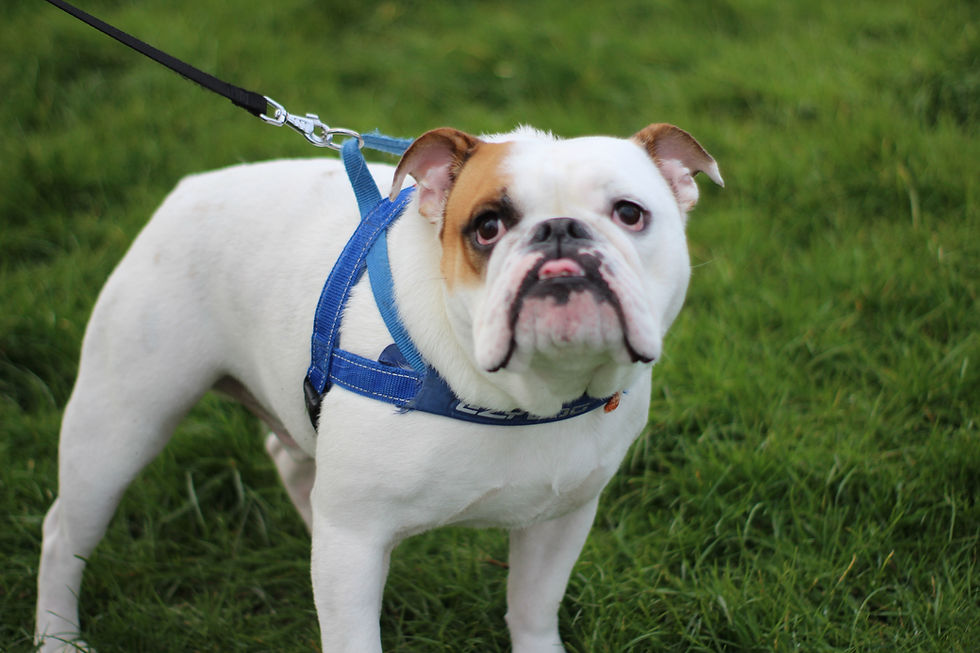
The Pattern Behind Bulldog Health
Bulldogs operate on a threshold — they reach a limit and stop. They don't push through and recover like higher-energy breeds; they don't stretch their capacity. That affects both training and activity in ways that are worth understanding before you start:
The Big 3 Health Realities
1. Breathing (Brachycephalic Structure)
This is the core issue. You’ll notice:
heavier breathing
snoring
reduced endurance
Not always dramatic. But always present.
2. Heat Sensitivity
This is where risk increases. They:
overheat faster
recover slower
stop earlier
This directly impacts daily routines
3. Skin & Comfort
Folds, moisture, sensitivity. Small issues can:
affect mood
reduce tolerance
impact behaviour
All of this feeds into daily life:
The Cost Reality (What People Don’t Expect)
This isn’t always talked about clearly. But it matters. Costs aren’t always sudden emergencies. They’re often ongoing management:
check-ups
skin care
monitoring
preventative care

Bulldogs can require ongoing health management
The Ownership Shift (Where Everything Changes)
At first “They seem fine.” Then: “They slow down quickly.” Then: “They always stop at the same point.” That’s the shift. Because once you see that: you stop pushing and you start managing. And everything becomes easier.

What Actually Keeps Bulldogs Healthy
1. Temperature Awareness
2. Controlled Activity
3. Consistent Monitoring
4. Preventative Care
This becomes especially important in families:
Expectation vs Reality
Expectation: Health issues = emergencies
Reality: Health = daily management
Expectation: Lazy dog
Reality: Energy limited by structure
Expectation: Fine most of the time
Reality: Always needs awareness
What Most Owners Realise Over Time
At first: “They’re just chilled.” Then: “They tire quickly.” Eventually: “They have clear limits.”
And once you see those limits everything makes sense.
One Thing That Surprises People Most
It’s not how many issues they have. It’s how predictable their limits are once you understand them.

The Verdict
Bulldogs aren’t fragile. But they are:
limited
sensitive
dependent on owner awareness
If you understand that. They’re manageable. If you ignore it. Problems appear quickly.
Final Thought
Bulldogs don't push through discomfort — they show it. Quietly, early, and consistently. Over time you stop reacting to problems and start preventing them.
Calm presence. Quiet confidence. Built steady. Styled clean.
That’s the energy behind the Bulldog range — minimalist apparel designed around the real ownership experience rather than idealised dog stereotypes.
👉 Explore Bulldog unisex t-shirts, sweatshirts and hoodies and tote bags
👉 or shop the full BULLDOG COLLECTION
Got a Bulldog who snores like a tractor or simply refuses to walk another step? Show us. Tag @doggystylesinc on Instagram or find us on Facebook at Doggy Styles Inc, and your dog could feature in a future post.
Continue Understanding the Bulldog Breed
If you’re still understanding how Bulldog behaviour and ownership actually work in real life, these articles connect most closely to the patterns above:
FAQ: Bulldog Health
Do all Bulldogs have breathing problems?Most have some level of restricted airflow, but severity varies.
How long do Bulldogs live?Typically 8–10 years with proper care.
Do Bulldogs overheat easily?Yes — heat sensitivity is one of the biggest risks.
Are Bulldogs expensive to maintain?They can be due to ongoing care rather than emergencies.
Can Bulldogs live healthy lives?Yes — with awareness, management, and preventative care.
Does health affect behaviour?Absolutely — comfort directly impacts responsiveness and mood.


Comments