


Boxer Temperament Explained: What You Need to Know

Updated: Oct 9
Quick Answer
What is a Boxer’s temperament like?
Boxers are energetic, emotionally responsive, and highly engaged dogs that react quickly to their environment and the people around them.
They’re not passive or low-awareness — they’re expressive, pattern-driven, and constantly involved in what’s happening around them.
👉 If you’re exploring the breed fully, start with the Complete Boxer Guide (Hub) to understand how temperament fits into daily life.
Boxers don’t do subtle. It’s all energy, all presence—loyal, chaotic, and impossible to ignore. Doggy Styles Inc channels that into minimalist boxer tote bags and apparel and boxer women’s t-shirts, hoodies and sweatshirts—built with the same strength and personality.
👉 Shop Boxer tote bags, women’s t-shirts, sweatshirts and hoodies
👉 or explore the full BOXER COLLECTION
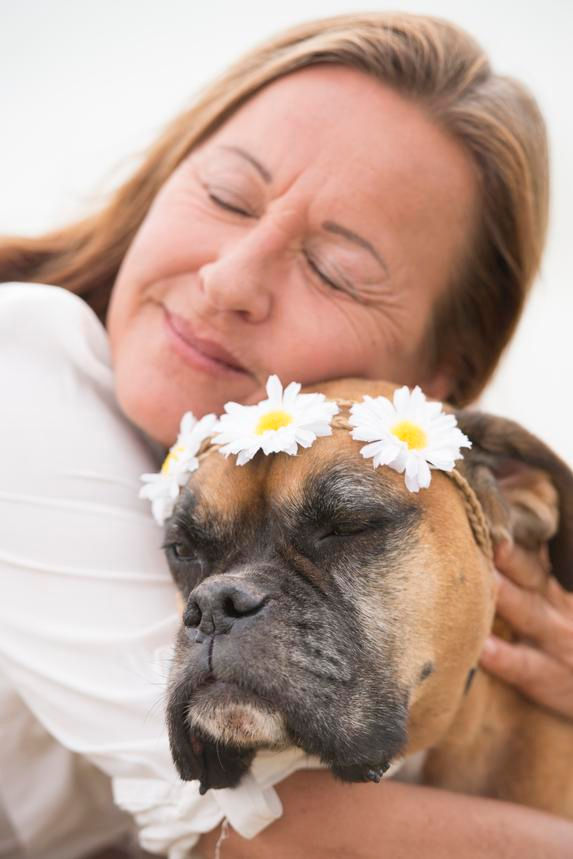
Most People Get This Slightly Wrong
Most people assume:
“Boxers are just playful, energetic dogs.”
And while that’s true…
It’s not the full picture.
Because what defines a Boxer isn’t just energy.
It’s:
how quickly they react
how consistently they engage
how strongly they respond to patterns
They don’t just live in your home.
They actively track it.
Boxer Temperament Snapshot
Trait | Level |
Energy | ⭐⭐⭐⭐⭐ |
Affection | ⭐⭐⭐⭐⭐ |
Sensitivity | ⭐⭐⭐⭐☆ |
Independence | ⭐⭐☆☆☆ |
Trainability | ⭐⭐⭐⭐☆ |
Reactivity | ⭐⭐⭐⭐☆ |
👉 For a full lifestyle breakdown, see Boxer Pros & Cons (Honest Breakdown)

The Real Trait: They Don’t Filter — They Respond
Most dogs filter the world.
Boxers don’t.
They notice:
small movements
subtle sounds
shifts in tone
changes in routine
And instead of ignoring them…
They respond immediately.
That’s why they feel:
switched on
highly present
sometimes “full on”
👉 This responsiveness explains a lot of behaviour — including vocal reactions in Do Boxers Bark a Lot?
What It Actually Feels Like
It’s 8:23pm.
You’ve sat down properly for the first time all day.
TV’s on. Phone in your hand. Nothing going on.
Your Boxer is asleep across the room.
You shift slightly — just to get comfortable.
That’s it.
No noise. No call. No intention.
Within a second:
Head up.
Eyes on you.
Pause.
Then they stand up… slowly at first, like they’re deciding if it matters.
You ignore it.
Look back at your phone.
They take two steps forward.
Stop again.
Still watching you.
You sigh slightly — not even consciously.
That’s enough.
Now they commit.
Walk straight over. Stand right in front of you.
Not jumping. Not barking.
Just… there.
Waiting.
From your perspective:
👉 nothing happened
From theirs:
👉 something changed — and change means interaction
Now here’s the part most people miss:
At this point, it doesn’t feel like a pattern.
It just feels like:
👉 “my dog keeps doing this for no reason”
But then it happens again.
Next night.
Same time.
You shift → they react
Same sequence.
Same timing.
After a few days, you catch it mid-moment:
👉 “this is the same thing again”
And that’s when it clicks:
👉 it’s not random👉 it’s repeatable
The Behaviour Pattern (Why It Feels Intense)
Boxers operate on a loop:
Trigger → Reaction → Outcome → Reinforcement
In real life:
you move → they approach → you acknowledge → behaviour repeats
Over time:
reactions get faster
engagement becomes automatic
presence feels constant
What feels like:👉 “they’re always on”
Is actually:👉 a learned pattern being repeated
👉 This is where control comes from — see Boxer Training Guide
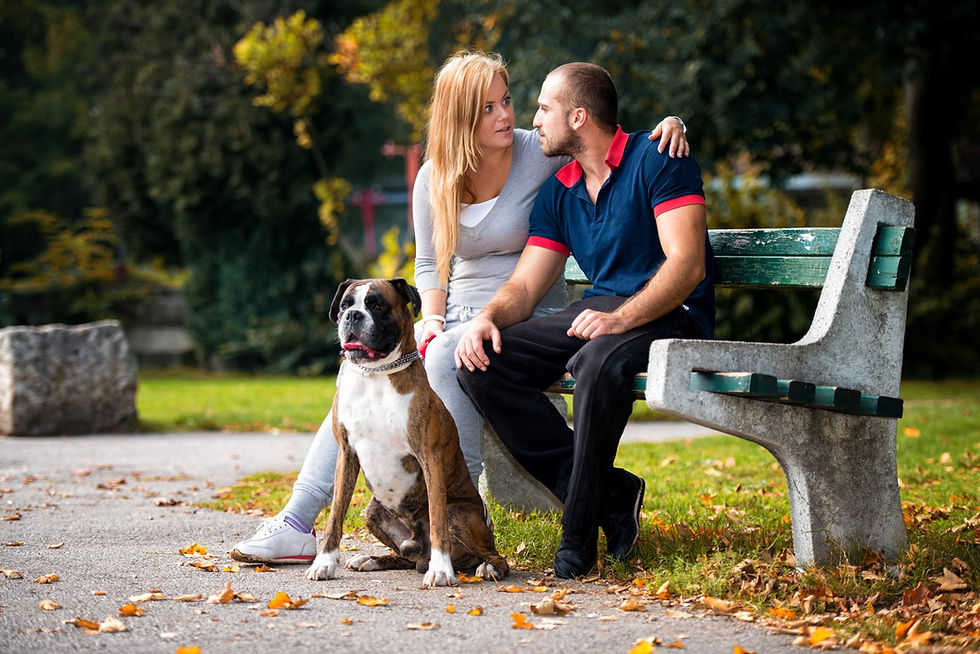
Where It Starts to Feel Like “Too Much”
This is where most owners get it slightly wrong.
It’s not:
bad behaviour
hyperactivity
stubbornness
It’s unmanaged responsiveness.
You start noticing:
constant following
reacting to every movement
difficulty switching off
And it builds slowly — not all at once.
The Ownership Shift (Where Everything Changes)
There’s always a moment where understanding deepens.
Usually subtle.
You start noticing:
👉 the same trigger creates the same behaviour — every time
Morning routine.
Evening routine.
Small movements.
Same reactions.
And once you see it clearly:
👉 behaviour stops feeling unpredictable👉 it starts feeling structured
That’s when the shift happens:
👉 you stop reacting automatically👉 and start controlling the pattern
👉 This matters even more in households — see Are Boxers Good Family Dogs?
What Actually Helps (Real Life, Not Theory)
You don’t reduce temperament.
You shape the environment around it.
That means:
1. Reduce Constant Micro-Triggers
Not every movement leads to interaction
2. Build Stable Routines
Predictability lowers reactivity
3. Reinforce Calm States
Not just active behaviour
4. Give Energy Direction Daily
Physical + mental engagement matters
👉 Long-term balance is also linked to wellbeing — see Boxer Health Guide
How Boxers Compare to Other Breeds
Compared to:
Labrador → less reactive
Golden Retriever → less intense
Bulldog → far more passive
Boxers are:
👉 more aware👉 more responsive👉 more involved in daily life
What Most Owners Realise Over Time
At first:👉 “They have a lot of energy.”
Then:👉 “They react to everything.”
Eventually:👉 “They’re responding to patterns I didn’t notice before.”
And once you see that…
You can’t unsee it.
One Thing That Surprises People Most
It’s not their energy.
It’s how quickly they learn your behaviour…
And start reacting to it before you even realise it’s happening.

The Verdict
Boxers have a temperament defined by:
responsiveness
awareness
emotional engagement
pattern recognition
They’re not background dogs.
They’re active participants in your daily life.
Final Thought
A Boxer doesn’t just live in your home.
It studies it.
Responds to it.
Adapts to it.
And over time…
You realise something subtle but important:
👉 it’s not reacting to everything
👉 it’s reacting to patterns you didn’t realise were there
That’s the energy behind the Boxer range — minimalist apparel designed around the real ownership experience rather than idealised dog stereotypes.
👉 Explore Boxer unisex t-shirts, sweatshirts and hoodies and tote bags
👉 or shop the full BOXER COLLECTION
Got a Boxer who does the full-body wiggle every time you walk in? Show us. Tag @doggystylesinc on Instagram or find us on Facebook at Doggy Styles Inc, and your dog could feature in a future post.
Continue Understanding the Boxer Breed
If you’re still understanding how Boxer behaviour and ownership actually work in real life, these articles connect most closely to the patterns above:
FAQ: Boxer Temperament
Are Boxers aggressive?No — but they can be reactive without structure and consistency.
Are Boxers emotional dogs?Yes — they respond strongly to tone, energy, and environment.
Do Boxers calm down with age?Yes, but their awareness and responsiveness remain.
Are Boxers good with other dogs?Often yes, with proper socialisation.
Do Boxers need a lot of attention?They need engagement and interaction more than constant attention.
Are Boxers independent?Not particularly — they prefer involvement in daily life.


Comments